



Optimising Arrhythmia Detection and Referral Pathways in Primary Care
Date: Thursday, 15 October 2026
Time: 12:30 PM – 1:30 PM
Location: Salamander Bay Doctors (5/2 Town Centre Circuit, Salamander Bay, NSW 2317
CPD: RACGP & ACRRM (1 hour)
Cost: Free
Lunch provided
About this meeting
- Small in-practice learning sessions
- Open to all health professionals
- Led by experienced specialists
- Certificate of attendance available on request
What you will learn
- Enhance the ability to detect, evaluate, and triage common arrhythmias in primary care using clinical judgment and available technology
- Establish clear criteria for referral to electrophysiology and manage pre-referral care, including anticoagulation and symptom monitoring
- Differentiate between traditional pacemakers and leadless systems in terms of indications, risks, and long-term outcomes
Speaker
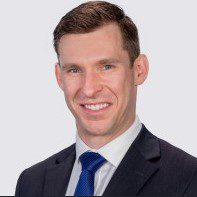
Dr Stephen Brienesse, Cardiologist, Barlow Cardiology, Newcastle Private Hospital
Dr Stephen Brienesse is a highly experienced dual trained Cardiologist and General and Acute Care Medicine Specialist. He has undergone sub-specialty training in Interventional Electrophysiology with particular interests in Atrial Fibrillation and Cardiac Physiological Pacing.
Stephen completed his Bachelor of Medicine at the University of Newcastle in 2011. He further specialised with a Master of Clinical Epidemiology (Distinction) in 2018. He completed his medical training in the Hunter New England Local Health District. He was awarded Fellowship of the Royal Australasian College of Physicians in General and Acute Care Medicine in 2020 and Cardiology in 2021. He has undertaken Electrophysiology and Pacing Fellowships at the John Hunter Hospital in Newcastle and the Royal Prince Alfred Hospital in Sydney.
Stephen is a Fellow of the Cardiac Society of Australia and New Zealand and an active member of the Asia Pacific Heart Rhythm Society and Council Member for the Internal Medicine Society of Australia and New Zealand. As a Conjoint Fellow and member of the Academy of Clinical Educators at the University of Newcastle, he is passionate about medical student and junior medical officer education.
Stephen performs electrophysiology studies and ablation, and implants cardiac implantable electronic devices:
• Atrial fibrillation ablation
• Supraventricular tachycardia ablation
• Ventricular tachycardia ablation
• Pacemaker
• Leadless pacemaker
• Cardiac Physiologic Pacing – Left Bundle Branch Area Pacing / Conduction System Pacing, Biventricular/ Cardiac Resynchronisation Therapy
• Defibrillator
• Subcutaneous defibrillator
Location & Sponsor
