


-

Basic Life Support (CPR) course specifically designed for all the practice team and all primary care settings. Includes separate clinical components for GP and nursing staff, using practice-comparable equipment
|
M
Monday
|
T
Tuesday
|
W
Wednesday
|
T
Thursday
|
F
Friday
|
S
Saturday
|
S
Sunday
|
|---|---|---|---|---|---|---|
|
0 events,
|
0 events,
|
0 events,
|
0 events,
|
0 events,
|
0 events,
|
0 events,
|
|
0 events,
|
0 events,
|
0 events,
|
1 event,
-
Basic Life Support (CPR) course specifically designed for all the practice team and all primary care settings. Includes separate clinical components for GP and nursing staff, using practice-comparable equipment |
0 events,
|
0 events,
|
0 events,
|
|
0 events,
|
0 events,
|
0 events,
|
0 events,
|
0 events,
|
1 event,
-
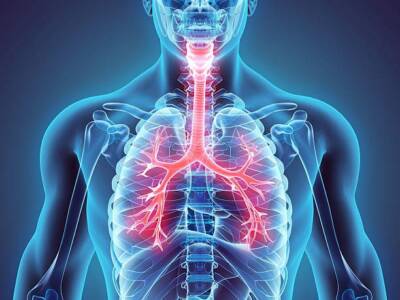
Join us for the Respiratory & Sleep Update, held at the HMRI Building on the John Hunter Hospital campus or available via live stream on 20 June 2026. This year’s program brings together leading respiratory, sleep, radiology and allied health specialists to provide a practical and contemporary update covering the recognition and management of pulmonary dust diseases in general practice, emerging approaches to sleep apnoea including phenotyping and broader sleep health, multidisciplinary dental treatment options for obstructive sleep apnoea, and best practice in distinguishing asthma from COPD alongside updates in adolescent asthma management. The program also explores the role of weight loss and metabolic health in improving sleep apnoea outcomes, as well as a thoracic radiology update including incidental findings such as lung nodules and adrenal lesions, infection and respiratory disease, and emerging applications of artificial intelligence in imaging. CPD accreditation through RACGP and ACRRM, trade displays, and networking opportunities. |
0 events,
|
|
0 events,
|
0 events,
|
0 events,
|
1 event,
-

This webinar equips participants with the knowledge and confidence to assess and manage incontinence in the general practice setting. Attendees will explore the common types of urinary and faecal incontinence, understand key risk factors, and learn how to carry out a thorough initial assessment using effective history-taking, screening tools, and basic investigations. The session also covers how to recognise red flags requiring urgent action, apply appropriate first-line management strategies, and make informed referral decisions. Practical guidance is provided on educating patients about symptom management, along with best practices for clear and accurate documentation of assessments, care plans, and follow-up. |
0 events,
|
0 events,
|
0 events,
|
|
0 events,
|
0 events,
|
0 events,
|
0 events,
|
0 events,
|
0 events,
|
0 events,
|